
SILVA Network Annual Conference 2027
Save the date!
May 19 - 21, 2027
in Helsinki – Evo – Hyytiälä – Tampere
(Finland)
40th Anniversary Conference!
Topic of the conference:
Forest higher Education in Europe – Combining Theory and Practice for the Sustainable Future
Topic of the conference: Forest higher Education in Europe – Combining Theory and Practice for the Sustainable Future
Sustainable forest management is a practice that calls for pragmatic skills and scientific knowledge. Forest education further calls for the third element – art and science of teaching. The Silva Network 40th anniversary conference will search for the best practices for the European higher forest education learning from the past experiences and looking forward through benchmarking and co-creation. Through dialogue and open networking, the conference paves the way to the future.
 |
 |
 |
 |
 |
 |
About the topic:
Forestry practice combines the art and science of forest management. Deciding on silvicultural methods, operations, or a long-term management plan for a particular forest site requires a bundle of skills, values, and knowledge. The role of a forest professional is analogous to that of a medical doctor: natural science knowledge—especially in physics, chemistry, and biology—provides the foundation for action, while an understanding of human behaviour through the social sciences and mastery of cross-cutting skills such as communication and leadership are equally essential. Technological advances—such as AI and remote sensing—now provide routine, cutting-edge tools for everyday practice.
How can higher education in forestry integrate theoretical knowledge from ecology, technology, and the social sciences with the practical skills required in the field? What should constitute the core curriculum—what is mandatory for all students—and how much room should remain for specialization and electives? Should generic skills (communication, negotiation, leadership, organizational behaviour, team management, change management) be taught as a separate course, or integrated into disciplinary modules?
Another key issue is stakeholder engagement in higher education. Students must be prepared to appreciate and work across societal differences—from rural forest workers to urban environmental advocates and international industry investors. How can forest education encourage students to take an active role in public discourse, including on social media where debates are often heated?
The Silva Network anniversary conference invites presentations on combining theory and practice in higher forest education. Submissions showcasing best practices and teaching experiments are welcome. Students are encouraged to present alongside their instructors or to share their own experiences.
Programme
Programme includes organized travelling in four venues. Travel from Helsinki to Evo, Hyytiälä, Tampere and finally back to Helsinki will be organized by bus. Hyytiälä field station programme on Friday includes a visit to forest. No separate field excursion is organized. Trip costs are included in the registration fee.
Wednesday
|
12:00 13:00 - 16:45 16:45 |
Lunch Session 1 - 3 Cocktails |
City Centre Campus City Centre Campus City Centre Campus |
Thursday
|
9:00 11:30 12:30 14:30 16:00 19:00 |
Session 4 Lunch Travel to HAMK Visit at HAMK Travel to Hyytiälä Conference dinner & Sauna |
Viikki Campus Viikki Campus Evo Hyytiälä Forest Station Hyytiälä Forest Station Hyytiälä Forest Station |
Friday
|
7:00 - 8:00 8:30 14:00 15:00 16:00 |
Breakfast Intro to field station Return to Helsinki via Tampere Visit at TAMK Departure to Helsinki via Airport |
Hyytiälä Forest Station
Tampere Helsinki |
Abstracts
Participants are invited to submit an abstract. Please submit your abstract here, from 1,000 to 2,000 characters including spaces.
Deadline for submission is January 15, 2027. The decisions for approval will be announced January 30, 2027. All chosen abstracts (after revising if needed) will be published in the abstract conference proceedings.
Venues
|
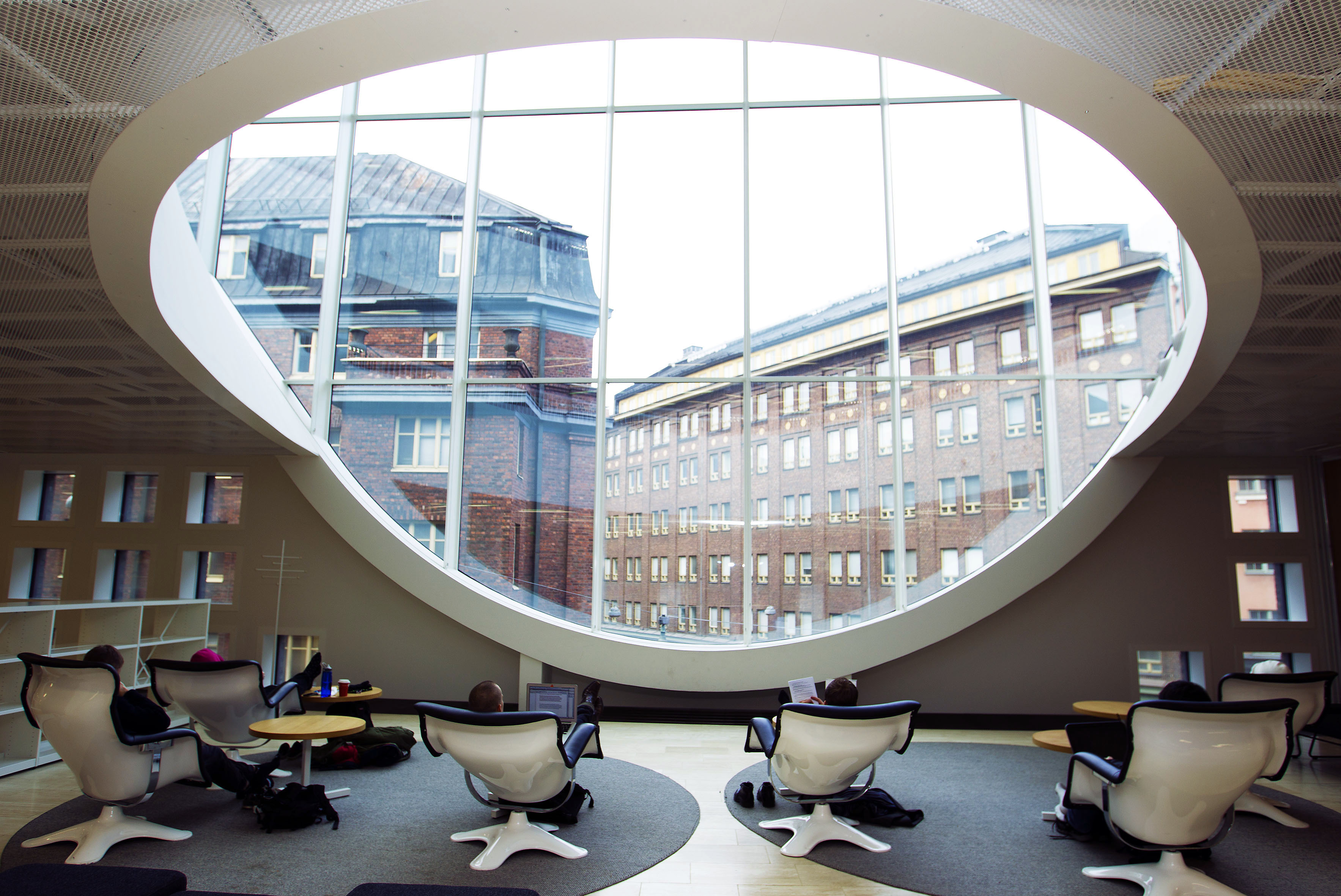
University of Helsinki, City Centre Campus The University of Helsinki is Finland’s largest and oldest academic institution. There are approximately 31,000 students at the University of Helsinki, of which about 26,000 are undergraduate students. There are over 4,800 doctoral students. The total number of teaching and research staff is close to 5,000. The university of Helsinki has four campuses + several research stations. The conference starts at the City Centre Campus which is the largest campus consisting e.g. of The Faculty of Educational Sciences, Faculty of Social Sciences and Faculty of Law. |
 |
|
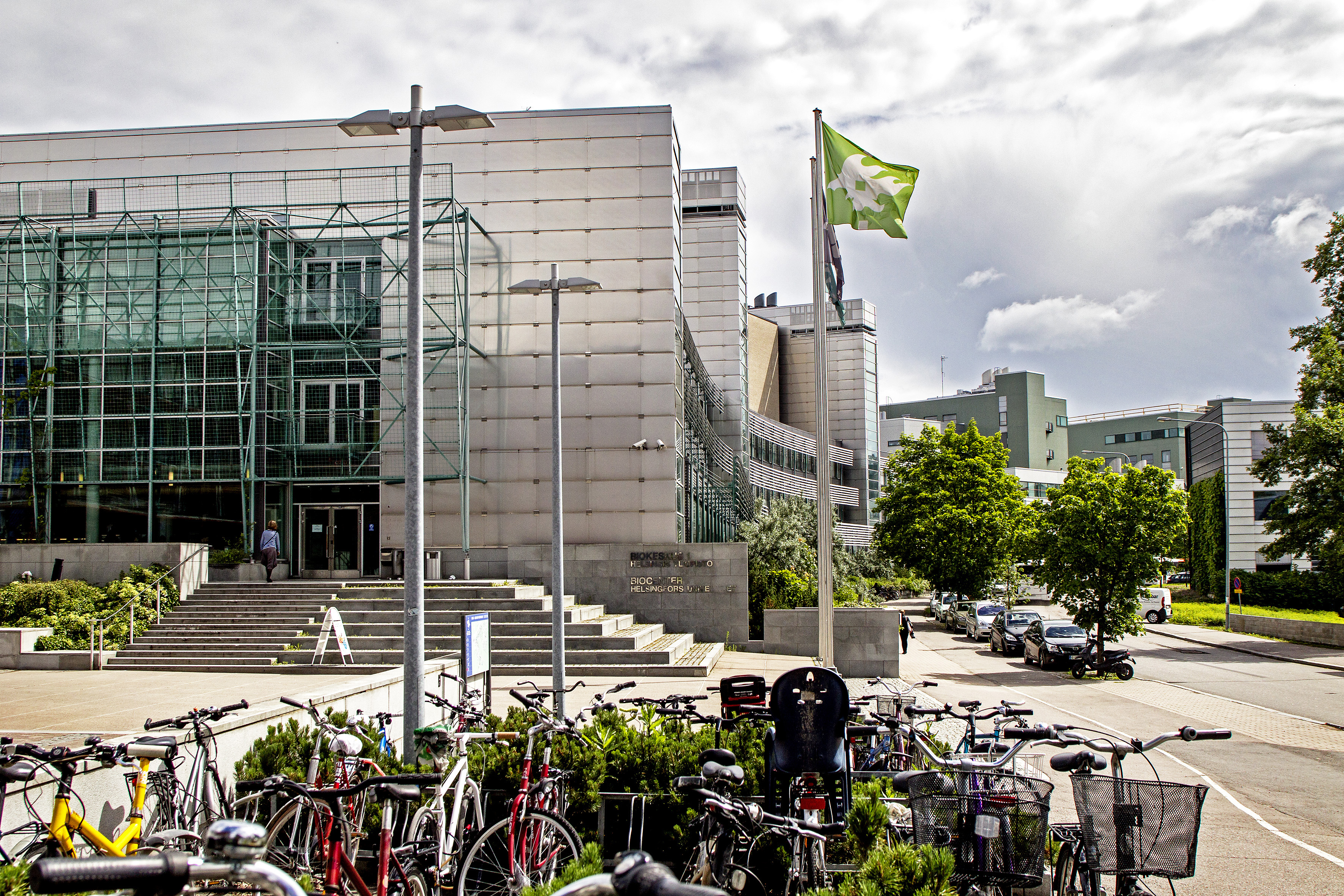 |
University of Helsinki, Viikki Campus (9 km from City Center, see below the details of public transport in Helsinki) The conference second day is at the Viikki Campus, which is the home base for faculties operating in the field of agriculture, forestry, bio- and veterinary sciences and pharmacy in the geographical centre of Helsinki. |
|
|
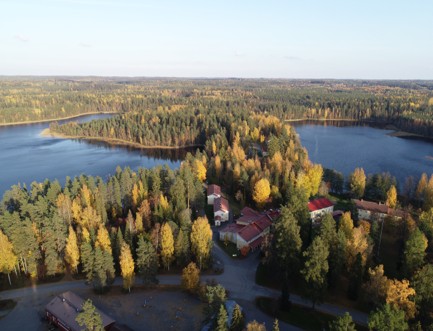
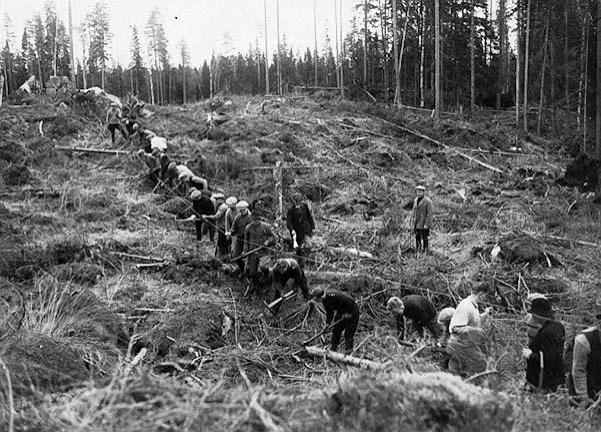
Häme University of Applied Sciences, Evo Campus Evo is the oldest forestry educational institution in Finland, with forestry education having started there in 1862. Today, the Evo campus of Häme University of Applied Sciences (HAMK) provides forestry education for approximately one hundred new students each year. We offer degree programmes in both Finnish and English. The teaching forest surrounding the campus provides a versatile environment for education and research, which is also utilized by several other universities and research institutions. |
  |
|
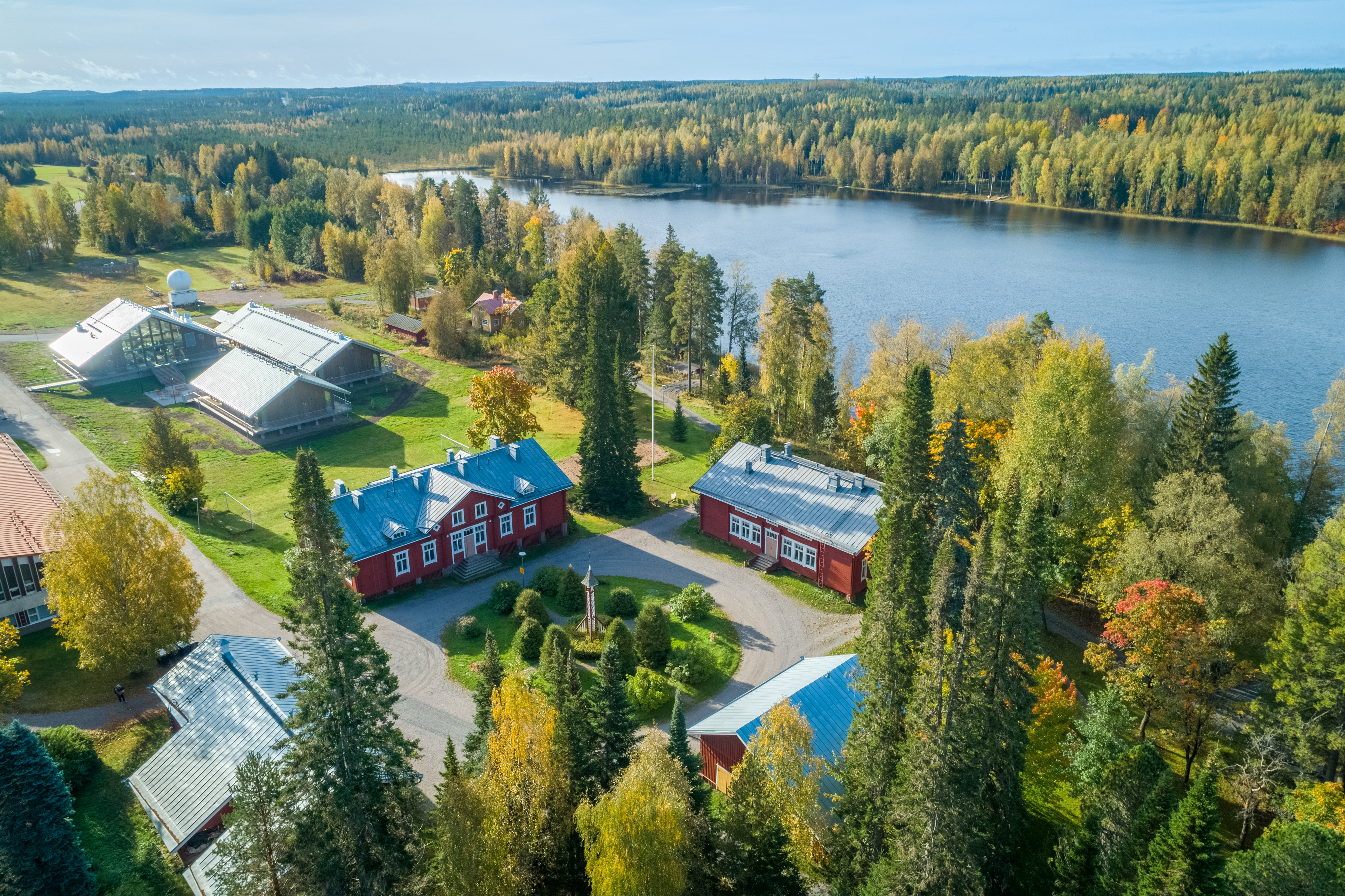 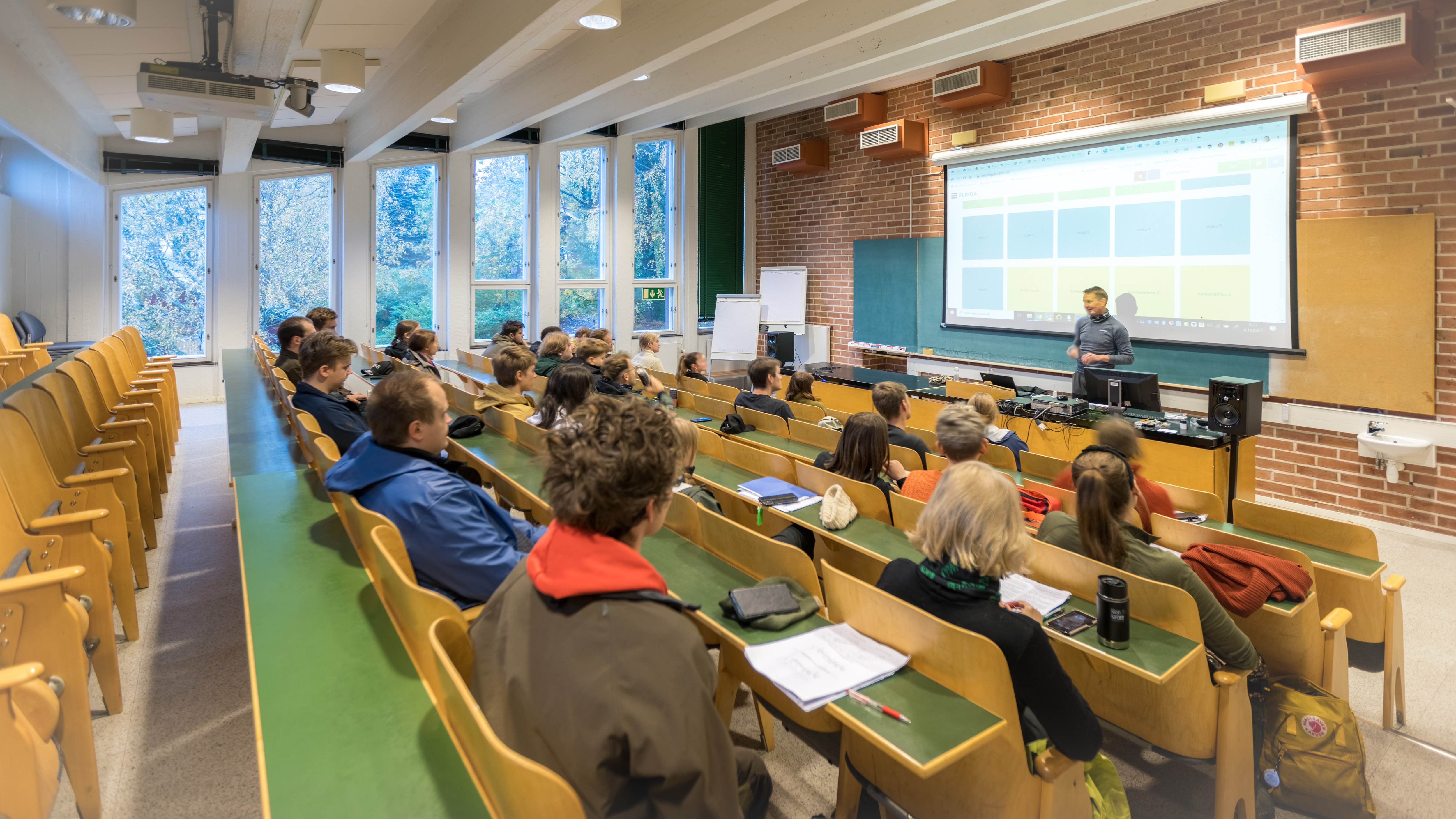 |
Hyytiälä Forest Station, Juupajoki Hyytiälä Forest Station is a traditional field station specialising in forest sciences, which has evolved into an international hub of multidisciplinary top-level research in Juupajoki. The conference takes place in Hyytiälä from the second day evening until the third day afternoon. Hyytiälä pictures: Jussi Valkeajoki |
|
|
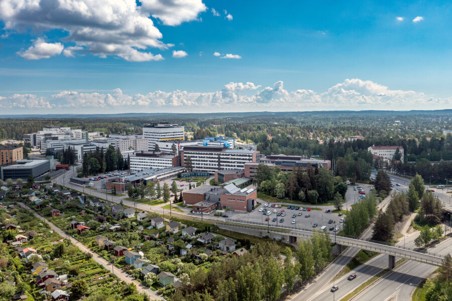
Tampere University of Applied Sciences Tampere University of Applied Sciences (TAMK) is Finland’s second-largest university of applied sciences, with nearly 12,000 students and over 800 staff. TAMK has offered forestry education since 1996, including Bachelor’s and Master’s degrees, the latter focusing on multifunctional forest management. Problem-based learning (PBL) has been part of its teaching for over ten years. The forestry team comprises eight lecturers specializing in forest ecology, remote sensing, and timber harvesting. Staff are also actively involved in research, development, and innovation, leading forestry projects and contributing to multidisciplinary initiatives. |
 |
Keynotes
 |
Professor Kirsti Lonka:”What is the risk of current technologies on your students’ understanding of sustainability” Kirsti Lonka, PhD in Psychology, is Professor of Educational Psychology at the University of Helsinki, where she has led a research group since 2005. An internationally recognised keynote speaker and award-winning educator, she has published over 150 scientific works. Her research focuses on learning, motivation, digital learning, and engaging learning environments. She is also Academic Director of the Helsinki Education Hub, fostering collaboration between education, research, and entrepreneurship. |
 |
Professor emerit. Norbert Weber: ” Silva Network - 40 years of networking and developing forest higher education. Lessons learnt and future prospects." Prof. Dr. Norbert Weber is a distinguished scholar in forest policy and forest resource economics, whose research has made important contributions to understanding the political, institutional and economic dimensions of sustainable forest management. His academic work focuses particularly on national and international forest policy, forest governance, stakeholder participation and the role of institutions in shaping forest-related decision-making. Having held the Chair of Forest Policy and Forest Resource Economics at TU Dresden from 2005 to 2026, he has significantly shaped the development of forest policy research and higher forestry education. As former president of the SILVA Network, he is also committed to strengthening international academic cooperation and advancing forestry education across Europe. His work bridges academic research, policy and practice, contributing to a deeper understanding of the complex relationships between forests, society and forestry. |
 |
Professor Teppo Hujala, University of Eastern Finland (UEF):“Forest higher education in the coming decades: incremental and transformative changes that may shape the future.” Teppo Hujala is a professor of forest bioeconomy foresight at the University of Eastern Finland, Joensuu, with research foci on family forestry and forest-related policies, businesses, and publicly funded services within the just sustainability transition. His methodological expertise includes futures analyses, qualitative research, sustainability assessments, multi-criteria methods, and interactive means for stakeholder engagement. Overall, he has nearly three decades of experience in educating forestry students as well as forest and bioeconomy practitioners. Internationally, he has served in educator roles e.g., in the Nordic NOVA University network and in the European Bioeconomy University Alliance. He has worked as an e-learning advisor and has been awarded an educational technology award at the University of Helsinki. He has published his educational development activities in mobile learning, blended learning, and online exams, and recently he has been involved in practically experimenting with flipped learning. Currently, prof. Hujala also serves as the chair of board of Finland Futures Academy, a network of nine Finnish universities, which provides coordinated academic futures education in Finland. |
Registration & Fees
Registration fees are the following:
- Early bird, before February 20, 2027: 200 EUR
- Regular, after February 20, 2027: 260 EUR
- Student fee, before February 2027: 100 EUR
- Regular student fee, after February 20, 2027: 150 EUR
Registration includes coffee, lunches, the conference dinner, and the transportation between venues. Registration must be paid in advance. Registration opens in January 2027.
Accomodation
|
May 19–20: There are several hotels and hostels within a few kilometers of the university's main campus. May 20–21: Accommodation at the Hyytiälä Forest Station (Thursday-Friday) has several options from single room in new wooden building “Koto” , built 2023, to traditional student accommodation in the loghouse “Impivaara” built in 1912. Prices vary between 37.70 and 85,50 EUR. See the details: https://www.helsinki.fi/en/research-stations/hyytiala-forest-station/services/accommodation Accommodation in Hyytiälä will be booked through registration. Picture: Jussi Valkeajoki |
|
Public transport in Helsinki
Helsinki's public transport is very practical and the departures are often punctual. Tickets can be purchased from the HSL mobile app. Only in buses it is possible to buy a ticket with contactless (without HSL mobile app). In the city center and Viikki area, you need an AB zone ticket.
Travel arrangements
Travel from Helsinki to Evo, Hyytiälä, Tampere and finally back to Helsinki will be organized by bus. Trip costs are included in the registration fee.
Organization and local organizers’ contacts
Contact info for general inquiries:
